


Focus. Memory. Clarity.
Spectrum
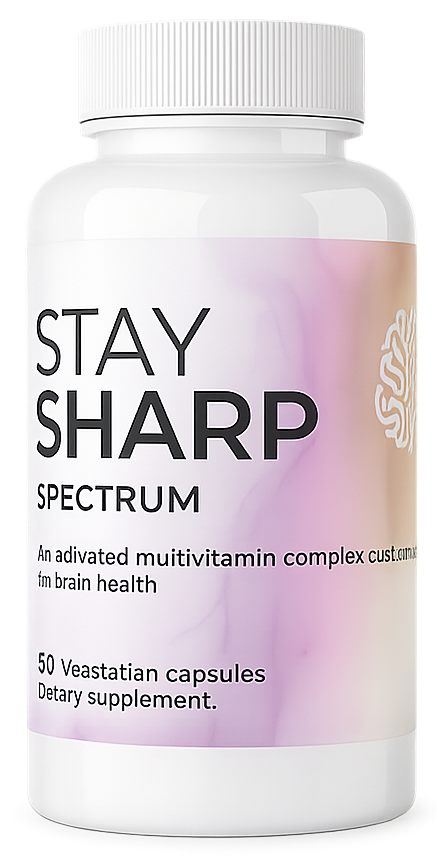
Pharmacist-formulated daily multivitamin with activated B-vitamins, gentle minerals, and eye-brain carotenoids to support memory, focus, and healthy aging.

Clean & Conscious
Made with pure, science-backed ingredients you can trust.

Brain-First Formulas
Targeted nutrients to support memory, focus, and cognitive performance.

Long-Term Wellness
Nourish your mind today for a sharper tomorrow.
See How Herbal Compares
How We Stack Up on What Actually Matters
Swipe to compare →
 | Prevagen | Neuriva | Focus Factor | |
|---|---|---|---|---|
| Active Ingredients | 1470mgper serving | 40mgper serving | 600mgper serving | 798mgper serving |
| Evidence-based ingredients and doses | ✓ | ✗ | ! | ✗ |
| Transparent label (no proprietary blends) | ✓ | ✗ | ! | ✗ |
| Manufactured in a FDA and cGMP certified facility | ✓ | ? | ? | ? |
| 180-day money back guarantee | ✓ | ✗(45-day) | ✗(60-day) | ✗ |
| Price per serving | $2.00 | $3.00 | $2.00 | $1.33 |
Made With Purpose
Botanical ingredients.
Everyday clarity.
Our formula combines clinically studied vitamins, minerals, and carotenoids to support memory, focus, energy, and healthy aging.
B Vitamin Trio (B6, B9 Folate, B12)
Three B vitamins that work as a team to keep your brain running smoothly.
Learn more
B6 acts as the chef for neurotransmitters, with folate and B12 stocking the pantry for healthy methylation. Together they help turn homocysteine back into useful fuel, supporting circulation, myelin, and clear thinking. We use the active forms (P5P, L-5-MTHF, and methylcobalamin) so your body can use them right away.
- In older adults with mild cognitive impairment, high-dose B6+folate+B12 slowed brain atrophy and reduced cognitive decline, especially with elevated homocysteine. [1][2][3]
- In healthy older adults, 800mcg of folate daily for 3 years improved memory and processing speed. [4]
- Adults with lower B6 levels tend to experience faster cognitive decline. [5]
Vitamin D3
Supports nerves, mood, and immune balance , like sunshine for the inside.
Learn more
Your brain has vitamin D receptors throughout, especially in memory-relevant areas. Many adults run low, so topping up is a smart daily habit.
- In a 10-year U.S. study, people taking vitamin D had a substantially lower risk of dementia than non-users. [6]
- Vitamin D deficiency was linked to smaller brain volumes and higher dementia risk; ~1 in 6 cases could be prevented by correcting low vitamin D. [7]
- Higher vitamin D in brain tissue was linked to 25-33% lower odds of dementia or MCI. [8]

Vitamin E
Antioxidants that help protect the brain's cell membranes from oxidative stress.
Learn more
Vitamin E (tocopherols and tocotrienols) supports normal neuron-to-neuron signaling. Found in almonds, sunflower seeds, and leafy greens; we include a bioactive form to complement your diet.
- In the Rotterdam Study, higher dietary vitamin E was associated with lower long-term dementia risk. [9]
- In a large Alzheimer's trial, high-dose vitamin E slowed functional decline versus placebo. [10]
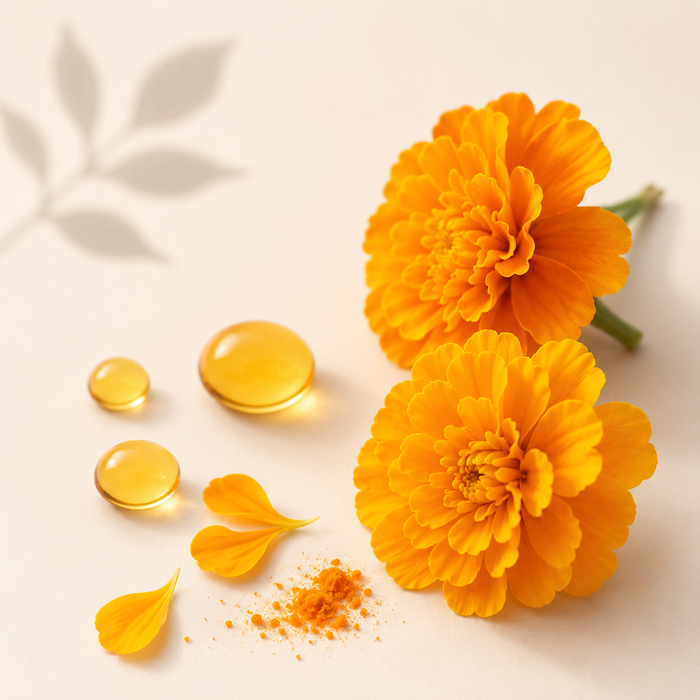
Lutein + Zeaxanthin
Carotenoids that concentrate in the eyes and brain, like natural sunglasses for your neurons.
Learn more
They support processing speed and healthy visual function. Zeaxanthin teams with lutein as a brain-friendly antioxidant duo, helping keep neural membranes stable and responsive.
- In a year-long trial, lutein + zeaxanthin improved attention and mental flexibility in healthy older adults. [11]
- Brain imaging shows these nutrients boost blood flow and improve aspects of memory. [12]
- In older adults with memory complaints, 6 months improved visual and spatial working memory. [13]
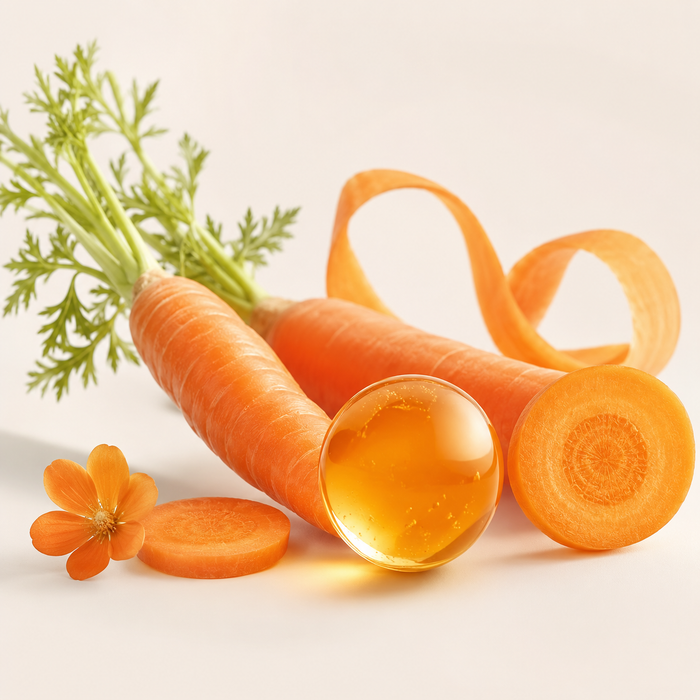
Vitamin A
Supports healthy neuroplasticity and vision the brain's learning and adapting machinery.
Learn more
We use a sensible amount because with vitamin A the sweet spot matters, and the activated form (retinyl acetate) so your body doesn't have to convert it first.
- In Mexican adults, higher vitamin A levels were associated with better cognitive performance. [14]
- Older adults with lower blood vitamin A were more likely to experience cognitive decline. [15]
Magnesium
Involved in 300+ reactions that keep brain cells firing and blood vessels relaxed.
Learn more
Nearly half of U.S. adults don't get enough from food. We use magnesium citrate, far better absorbed than the cheap oxide found in many multivitamins.
- In a 27-year study, the lowest magnesium levels had ~24% higher dementia risk. [16]
- Adults 60+ with higher magnesium intake scored better on cognitive tests. [17]
- More magnesium (with potassium and calcium) was linked to lower dementia over 17 years. [18]
Selenium
Powers antioxidant enzymes that guard the brain and thyroid from oxidative stress.
Learn more
A small but mighty teammate for vitamin E and overall resilience. Our gentle, chelated form goes easy on the stomach.
- In older adults with mild memory problems, Brazil nuts (rich in selenium) improved verbal fluency and antioxidant defenses. [19]
- Reviews show selenium reliably raises antioxidant activity with small cognitive benefits in some people. [20]
Zinc
Supports the synapse the tiny space where brain cells chat plus antioxidant and immune balance.
Learn more
We use a gentle chelated form for good absorption.
- Older adults with lower blood zinc were more likely to have higher brain amyloid on scans. [21]
- In a 12-week trial, zinc improved overall cognition and executive function in adults with metabolic risk factors. [22]
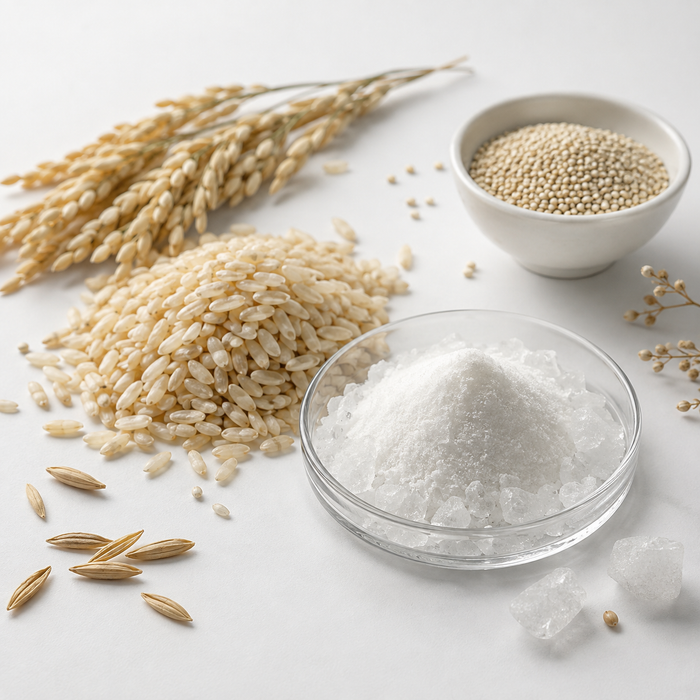
Thiamine (Vitamin B1)
Helps your brain turn glucose into energy for memory and focus.
Learn more
Even small shortfalls can affect mental clarity, which is why steady intake matters as we age.
- In a 12-month trial, benfotiamine (a form of B1) slowed worsening of Alzheimer's symptoms versus placebo. [23]
Niacinamide (Vitamin B3)
Feeds your brain's NAD+ pools cellular batteries for focus, memory, and repair.
Learn more
We use a flush-free form that won't cause uncomfortable side effects.
- In the Chicago Health and Aging Project, higher dietary niacin intake was associated with slower cognitive decline and lower Alzheimer's risk. [24]
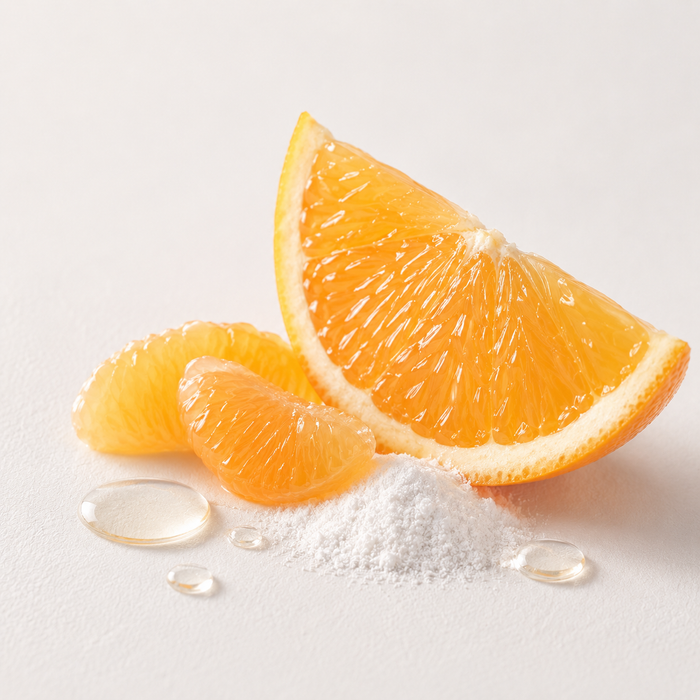
Vitamin C
A front-line antioxidant that helps protect the brain's delicate cells from everyday stress.
Learn more
It also supports enzymes that make key brain messengers.
- People with Alzheimer's tend to have significantly lower blood vitamin C than healthy adults. [25]
- In a 12-week study, vitamins C+E improved cognitive scores and antioxidant markers in adults with mild memory problems. [26]
Vitamin K2
A traffic director for calcium supporting the healthy circulation the brain relies on.
Learn more
It also supports sphingolipids that keep brain-cell membranes in good shape. We use the MK-7 form, which stays active longer than MK-4 or generic K.
- Older adults with higher vitamin K intake showed better memory and behavior. [27]
- In an Irish aging study, better vitamin K status meant better cognitive test performance. [28]
- Higher vitamin K intake was linked to lower levels of a brain-cell-injury blood marker. [29]
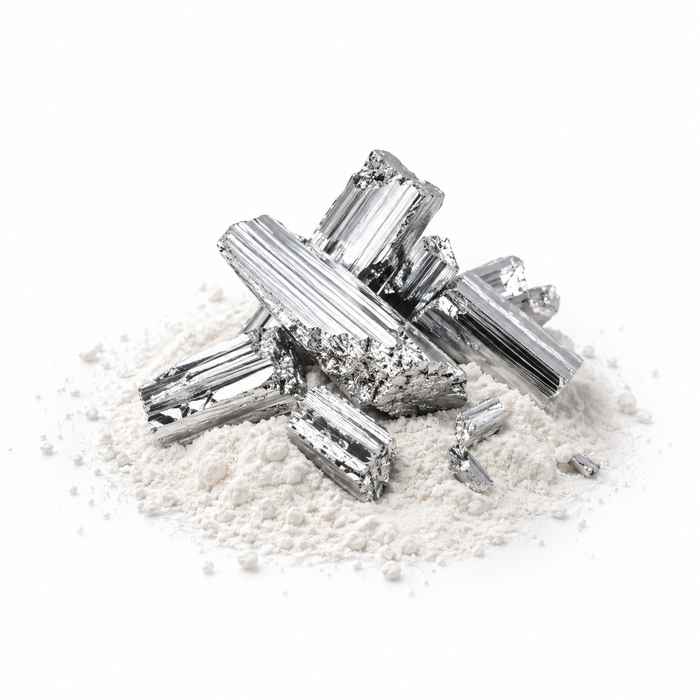
Chromium
Helps your body use insulin efficiently for steady energy and even focus.
Learn more
Fewer ups and downs, more even focus.
- In a trial with older adults, chromium improved memory performance and increased brain activity on scans. [30]
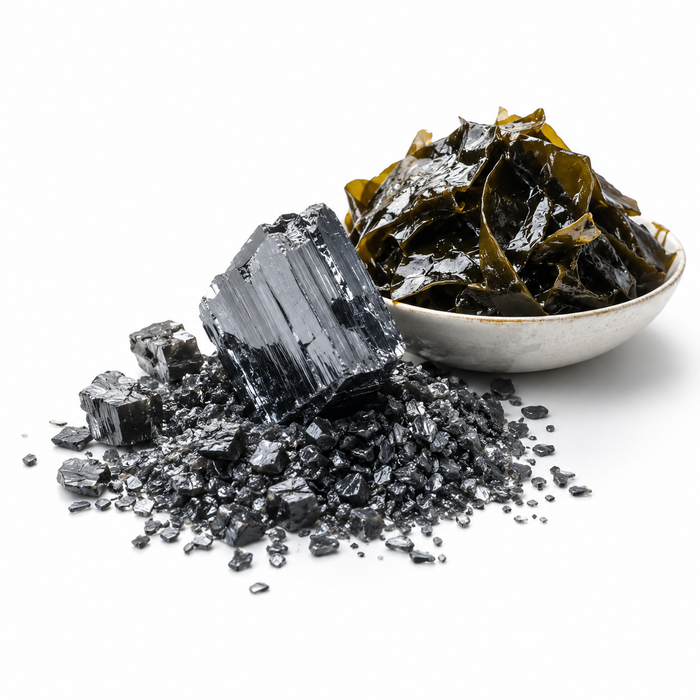
Iodine
The spark for thyroid hormones the body's metronome for brain energy and focus.
Learn more
We use potassium iodide, a reliable, well-absorbed source; the potassium is just the carrier while the iodine does the brain-supporting work.
- Global research shows correcting iodine deficiency improves test performance, highlighting how crucial iodine is for brain health throughout life. [31][32][33]
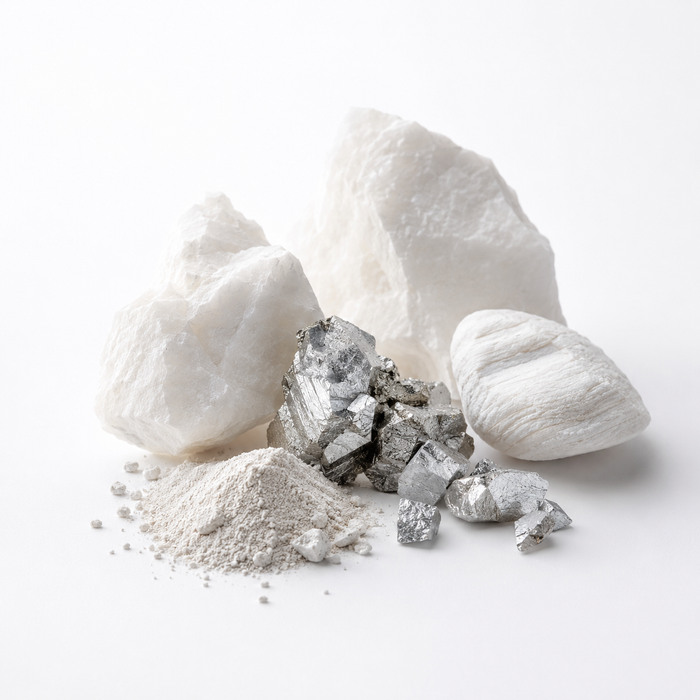
Foundational Support (Calcium, Manganese, Molybdenum)
Essential minerals included to close everyday dietary gaps and support overall physiology.
Learn more
They support bone strength, antioxidant defenses, and energy metabolism. Your brain functions best when these minerals are in balance, so we provide sensible amounts without overloading.
B Vitamin Trio (B6, B9 Folate, B12)
Three B vitamins that work as a team to keep your brain running smoothly.
B6 acts as the chef for neurotransmitters, with folate and B12 stocking the pantry for healthy methylation. Together they help turn homocysteine back into useful fuel, supporting circulation, myelin, and clear thinking. We use the active forms (P5P, L-5-MTHF, and methylcobalamin) so your body can use them right away.
- In older adults with mild cognitive impairment, high-dose B6+folate+B12 slowed brain atrophy and reduced cognitive decline, especially with elevated homocysteine. [1][2][3]
- In healthy older adults, 800mcg of folate daily for 3 years improved memory and processing speed. [4]
- Adults with lower B6 levels tend to experience faster cognitive decline. [5]
Vitamin D3
Supports nerves, mood, and immune balance , like sunshine for the inside.
Your brain has vitamin D receptors throughout, especially in memory-relevant areas. Many adults run low, so topping up is a smart daily habit.
- In a 10-year U.S. study, people taking vitamin D had a substantially lower risk of dementia than non-users. [6]
- Vitamin D deficiency was linked to smaller brain volumes and higher dementia risk; ~1 in 6 cases could be prevented by correcting low vitamin D. [7]
- Higher vitamin D in brain tissue was linked to 25-33% lower odds of dementia or MCI. [8]
Vitamin E
Antioxidants that help protect the brain's cell membranes from oxidative stress.
Vitamin E (tocopherols and tocotrienols) supports normal neuron-to-neuron signaling. Found in almonds, sunflower seeds, and leafy greens; we include a bioactive form to complement your diet.
- In the Rotterdam Study, higher dietary vitamin E was associated with lower long-term dementia risk. [9]
- In a large Alzheimer's trial, high-dose vitamin E slowed functional decline versus placebo. [10]
Lutein + Zeaxanthin
Carotenoids that concentrate in the eyes and brain, like natural sunglasses for your neurons.
They support processing speed and healthy visual function. Zeaxanthin teams with lutein as a brain-friendly antioxidant duo, helping keep neural membranes stable and responsive.
- In a year-long trial, lutein + zeaxanthin improved attention and mental flexibility in healthy older adults. [11]
- Brain imaging shows these nutrients boost blood flow and improve aspects of memory. [12]
- In older adults with memory complaints, 6 months improved visual and spatial working memory. [13]
Vitamin A
Supports healthy neuroplasticity and vision the brain's learning and adapting machinery.
We use a sensible amount because with vitamin A the sweet spot matters, and the activated form (retinyl acetate) so your body doesn't have to convert it first.
- In Mexican adults, higher vitamin A levels were associated with better cognitive performance. [14]
- Older adults with lower blood vitamin A were more likely to experience cognitive decline. [15]
Magnesium
Involved in 300+ reactions that keep brain cells firing and blood vessels relaxed.
Nearly half of U.S. adults don't get enough from food. We use magnesium citrate, far better absorbed than the cheap oxide found in many multivitamins.
- In a 27-year study, the lowest magnesium levels had ~24% higher dementia risk. [16]
- Adults 60+ with higher magnesium intake scored better on cognitive tests. [17]
- More magnesium (with potassium and calcium) was linked to lower dementia over 17 years. [18]
Selenium
Powers antioxidant enzymes that guard the brain and thyroid from oxidative stress.
A small but mighty teammate for vitamin E and overall resilience. Our gentle, chelated form goes easy on the stomach.
- In older adults with mild memory problems, Brazil nuts (rich in selenium) improved verbal fluency and antioxidant defenses. [19]
- Reviews show selenium reliably raises antioxidant activity with small cognitive benefits in some people. [20]
Zinc
Supports the synapse the tiny space where brain cells chat plus antioxidant and immune balance.
We use a gentle chelated form for good absorption.
- Older adults with lower blood zinc were more likely to have higher brain amyloid on scans. [21]
- In a 12-week trial, zinc improved overall cognition and executive function in adults with metabolic risk factors. [22]
Thiamine (Vitamin B1)
Helps your brain turn glucose into energy for memory and focus.
Even small shortfalls can affect mental clarity, which is why steady intake matters as we age.
- In a 12-month trial, benfotiamine (a form of B1) slowed worsening of Alzheimer's symptoms versus placebo. [23]
Niacinamide (Vitamin B3)
Feeds your brain's NAD+ pools cellular batteries for focus, memory, and repair.
We use a flush-free form that won't cause uncomfortable side effects.
- In the Chicago Health and Aging Project, higher dietary niacin intake was associated with slower cognitive decline and lower Alzheimer's risk. [24]
Vitamin C
A front-line antioxidant that helps protect the brain's delicate cells from everyday stress.
It also supports enzymes that make key brain messengers.
- People with Alzheimer's tend to have significantly lower blood vitamin C than healthy adults. [25]
- In a 12-week study, vitamins C+E improved cognitive scores and antioxidant markers in adults with mild memory problems. [26]
Vitamin K2
A traffic director for calcium supporting the healthy circulation the brain relies on.
It also supports sphingolipids that keep brain-cell membranes in good shape. We use the MK-7 form, which stays active longer than MK-4 or generic K.
- Older adults with higher vitamin K intake showed better memory and behavior. [27]
- In an Irish aging study, better vitamin K status meant better cognitive test performance. [28]
- Higher vitamin K intake was linked to lower levels of a brain-cell-injury blood marker. [29]
Chromium
Helps your body use insulin efficiently for steady energy and even focus.
Fewer ups and downs, more even focus.
- In a trial with older adults, chromium improved memory performance and increased brain activity on scans. [30]
Iodine
The spark for thyroid hormones the body's metronome for brain energy and focus.
We use potassium iodide, a reliable, well-absorbed source; the potassium is just the carrier while the iodine does the brain-supporting work.
- Global research shows correcting iodine deficiency improves test performance, highlighting how crucial iodine is for brain health throughout life. [31][32][33]
Foundational Support (Calcium, Manganese, Molybdenum)
Essential minerals included to close everyday dietary gaps and support overall physiology.
They support bone strength, antioxidant defenses, and energy metabolism. Your brain functions best when these minerals are in balance, so we provide sensible amounts without overloading.

Herbal
Natural Support for Everyday Focus
A 100% natural herbal formula that supports memory, clarity, and long-term brain health.
- Memory Support
- Mental Clarity
- Daily Wellness
When to Expect Results
Most people notice something within a few weeks. Full effect typically reached around 8–12 weeks of consistent use.

Spectrum
Complete Nutrition for Brain Health
An activated multivitamin complex with key nutrients to support cognitive health.
- Comprehensive Nutrition
- Focus & Performance
- Immune & Energy Support
How it works
Think of it as protection you build over time. The benefits are about what you're preserving, not just what you feel today.
FAQ
Frequently asked questions
Evidence-based answers to help you feel confident about Stay Sharp.
What makes Spectrum different from a typical multivitamin?
Spectrum is built for adults who want more than “general coverage.” It focuses on the areas people tend to care about most as they age—mental sharpness, steady daily energy, and vision support—while keeping the formula straightforward and easy to fit into a routine.
Not working for you? You're covered by our comprehensive 180-day 100% money back guarantee. No forms or returns necessary.
Can I take Spectrum with coffee, tea, or other supplements?
Yes, most people can take it with coffee or tea. The main issue is tolerance, not safety: caffeine on an empty stomach plus vitamins can feel a little harsh for some people. If that’s you, take Spectrum with food and water, then have coffee.
Not working for you? You're covered by our comprehensive 180-day 100% money back guarantee. No forms or returns necessary.
How do I take Spectrum for best results? With food or on an empty stomach?
Take Spectrum with a meal, ideally one that includes some fat (e.g., eggs, cheese, avocado, olive oil). That helps with comfort and can improve absorption of certain nutrients.
Not working for you? You're covered by our comprehensive 180-day 100% money back guarantee. No forms or returns necessary.
Will this interact with my medications?
Many people can, but this is the one area where it’s smart to be careful. The safe rule:check with your pharmacist or doctor, especially if you take prescription meds daily.
Common timing/interaction considerations with multivitamins:
- ✓Thyroid meds (like levothyroxine): take your thyroid medication by itself, and separate minerals/multivitamins by about 4 hours.
- ✓Certain antibiotics: minerals can bind them so separate by at least 2–6 hours (follow your prescription directions).
- ✓Blood thinners (especially warfarin): consistency matters with vitamin intake; ask your clinician before starting any multivitamin routine.
- ✓Osteoporosis meds (bisphosphonates): these often need to be taken alone; take Spectrum later with food.
Not working for you? You're covered by our comprehensive 180-day 100% money back guarantee. No forms or returns necessary.
References
Research and clinical studies supporting the ingredients in Stay Sharp.
Smith AD, Smith SM, de Jager CA, Whitbread P, Johnston C, Agacinski G, Oulhaj A, Bradley KM, Jacoby R, Refsum H. PLoS One. 2010;5(9):e12244. PMID: 20838622.
de Jager CA, Oulhaj A, Jacoby R, Refsum H, Smith AD. Int J Geriatr Psychiatry. 2012;27(6):592-600. PMID: 21780182.
Douaud G, Refsum H, de Jager CA, Jacoby R, Nichols TE, Smith SM, Smith AD. PNAS. 2013;110(23):9523-9528. PMID: 23690582.
Durga J, van Boxtel MPJ, Schouten EG, Kok FJ, Jolles J, Katan MB, Verhoef P. Lancet. 2007;369:208-216. PMID: 17240287.
Hughes CF, Ward M, Tracey F, Hoey L, Molloy AM, Pentieva K, McNulty H. Nutrients. 2017;9(1):53. PMID: 28075382.
Ghahremani M, O'Bryant SE, Wichers L, Gu Y, Gao S, et al. Alzheimers Dement (N Y). 2023;15:e12470. PMID: 36993929.
Navale SS, Mulugeta A, Zhou A, Llewellyn DJ, Hypponen E. Am J Clin Nutr. 2022;116(2):531-540. PMID: 35451454.
Shea MK, Barger K, Dawson-Hughes B, Leurgans SE, Fu X, James BD, Holland TM, Agarwal P, Wang J, Matuszek G, Heger NE, Schneider JA, Booth SL. Alzheimers Dement. 2023;19(6):2389-2396. PMID: 36479814.
Devore EE, Grodstein F, van Rooij FJ, Hofman A, Stampfer MJ, Witteman JC, Breteler MM. Arch Neurol. 2010 Jul;67(7):819-25. PMID: 20625087.
Dysken MW, et al. JAMA. 2014 Jan 1;311(1):33-44. PMID: 24381967.
Hammond BR Jr, Miller LS, Bello MO, Lindbergh CA, Mewborn C, Renzi-Hammond L. Front Aging Neurosci. 2017;9:254. PMID: 28824416.
Lindbergh CA, Mewborn CM, Hammond BR Jr, Renzi-Hammond LM, Miller LS. J Int Neuropsychol Soc. 2018;24(1):77-90. PMID: 28695791.
Lopresti AL, Smith SJ, Drummond PD. Nutrients. 2022;14(5):1097. PMID: 35252311.
Palazuelos-Gonzalez R, De la Cruz-Gongora V, Salinas-Rodriguez A. Nutr Neurosci. 2022;25(9):1881-1888. PMID: 33847257.
Huang X, Zhang H, Zhen J, Dong S, Guo Y, Van Halm-Lutterodt N, Yuan L. Aging (Albany NY). 2018;10(12):4066-4083. PMID: 30573705.
Alam AB, Gottesman RF, Koton S, Windham BG, Schneider ALC, Sharrett AR, Mosley TH, Selvin E, Lutsey PL. J Alzheimers Dis. 2020;77(1):173-183. PMID: 32925139.
Tao MH, Dai Q, Millen AE, Nie J, Rolland B, et al. Alzheimers Dement (TRCI). 2022;8(1):e12250. doi:10.1002/trc2.12250.
Ozawa M, Ninomiya T, Ohara T, Hirakawa Y, Doi Y, et al. J Am Geriatr Soc. 2012;60(8):1515-1520. doi:10.1111/j.1532-5415.2012.04061.x.
Cardoso BR, Apolinario D, da Silva Bandeira V, Busse AL, Magaldi RM, Jacob-Filho W, Cozzolino SMF. Eur J Nutr. 2016;55(1):107-116. PMID: 25567069.
Pereira ME, de Farias CCB, Zanchi AC, Rieger DK, Fronza D, et al. Nutrients. 2022;14(15):3205. PMID: 35956381.
Kim JW, Byun MS, Yi D, Lee JH, Ko K, Lee HN, Sohn BK, Lee DY; KBASE Research Group. Alzheimers Res Ther. 2021;13(1):78. PMID: 33892778.
de Vargas LS, Costa E, Fachi MM, Mendes MA, Olandoski M, Reisdorfer E, Picheth G, Skare T, Reche PM, Cardoso BR. Nutrients. 2023;15(6):1351. PMID: 37892471.
Gibson GE, Hirsch JA, Cirio RT, Jordan BD, Fonzetti P, Elder J. J Alzheimers Dis. 2020;78(3):989-1010. PMID: 33074237.
Morris MC, Evans DA, Bienias JL, Scherr PA, Tangney CC, Hebert LE, Bennett DA, Wilson RS, Aggarwal N. J Neurol Neurosurg Psychiatry. 2004;75(8):1093-1099. PMID: 15258207.
Hamid M, Mansoor S, Amber S, Zahid S. Front Aging Neurosci. 2022;14:970263. PMID: 36158537.
Alavi Naeini AM, Elmadfa I, Djazayery A, Barekatain M, Aghaye Ghazvini MR, Djalali M, Feizi A. Eur J Nutr. 2014;53(5):1255-1262. PMID: 24326981.
Chouet J, Ferland G, Feart C, Rolland Y, Presse N, Boucher O, Gaudreau P, Barberger-Gateau P, Annweiler C, Beauchet O. J Nutr Health Aging. 2015;19(1):102-107. PMID: 26274973.
Kiely A, Ferland G, O'Donovan A, Kenny RA, McCarroll K. Nutr Neurosci. 2020;23(8):591-599. PMID: 30451602.
Luo J, Lin S. Front Nutr. 2024;11:1396707. PMID: 39346641.
Krikorian R, Eliassen JC, Boespflug EL, Nash TA, Shidler MD. Nutr Neurosci. 2010;13(3):116-122. PMID: 20423560.
Tafesse W. World Development. 2022;152:105699. doi:10.1016/j.worlddev.2021.105699.
Zimmermann MB, Connolly K, Bozo M, Bridson J, Rohner F, Grimci L. Am J Clin Nutr. 2006;83(1):108-114. PMID: 16400058.
Aburto NJ, Abudou M, Candeias V, Wu T. Geneva: World Health Organization; 2014. ISBN: 9789241508285.